What Is FF&E? A Complete Guide for Commercial Interior Projects
Every finished interior — from a hotel lobby that invites guests to stay to an office that quietly supports concentration — is the result of hundreds of decisions made after the initial design has been approved. FF&E is where those decisions become a real, working space.
It’s also one of the most misunderstood terms in the industry. People use it to mean “the furniture” or treat it as a line item to be resolved at the end. In reality, FF&E is the coordinated process that translates an approved design into a functional interior. Weak coordination at this stage can affect cost, quality, and opening dates. This guide explains what FF&E covers, how procurement works, and what helps prevent delays, rework, and unnecessary costs at handover.
What does FF&E stand for?
FF&E stands for Furniture, Fixtures & Equipment — the movable and semi-movable elements that furnish and equip an interior once the building shell is complete. A common rule of thumb is that if you turned the building upside down, much of what fell out would be FF&E — although the category also includes certain removable fixtures that are secured in place.
Because FF&E items are generally not permanently attached to the structure, they are usually budgeted, procured, and depreciated separately from the base build. This separation can also create coordination gaps, which is where an experienced FF&E partner adds value.
What FF&E includes — and what it doesn’t
FF&E breaks down into three families:
- Furniture — seating, tables, desks, beds, case goods, storage units, soft seating, and outdoor furniture for terraces and communal areas.
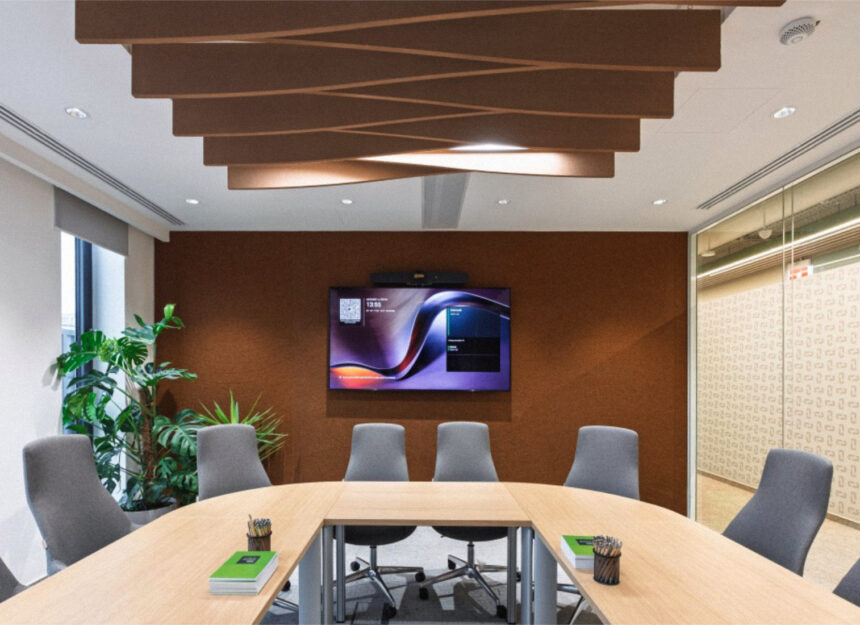
- Fixtures — items fixed in place but still removable: decorative and architectural lighting, reception desks, bespoke joinery, mirrors, and acoustic or decorative panels.
- Equipment — the operational items required for the space to function. The exact scope varies by sector and by project; in hospitality, for example, it may include selected guest-room or back-of-house equipment.
Just as important is what FF&E is not: the structural and base-build elements — walls, mechanical and electrical systems, permanent substrates. A useful rule of thumb: base build makes a space stand up; FF&E makes it work.
One more distinction that trips up budgets: contract-grade versus residential-grade. Commercial interiors require furniture designed for heavy, continuous use and relevant compliance standards — not residential-grade pieces selected primarily for their appearance.
FF&E vs. OS&E: the difference that keeps scope and budget clear
In hospitality especially, FF&E is often confused with OS&E — Operating Supplies & Equipment. The distinction is important for both scope and budget:
- FF&E is the durable furnishing layer: the chairs, beds, lighting, and desks that stay for years.
- OS&E is the operational layer: linens, tableware, glassware, uniforms, and consumables that are replaced continually.
Mixing the two is one of the most common ways an interiors budget drifts. Knowing which category an item belongs to — and who is responsible for it — keeps responsibilities clear and helps control scope, cost, and timelines from the outset.
FF&E is more than a shopping list
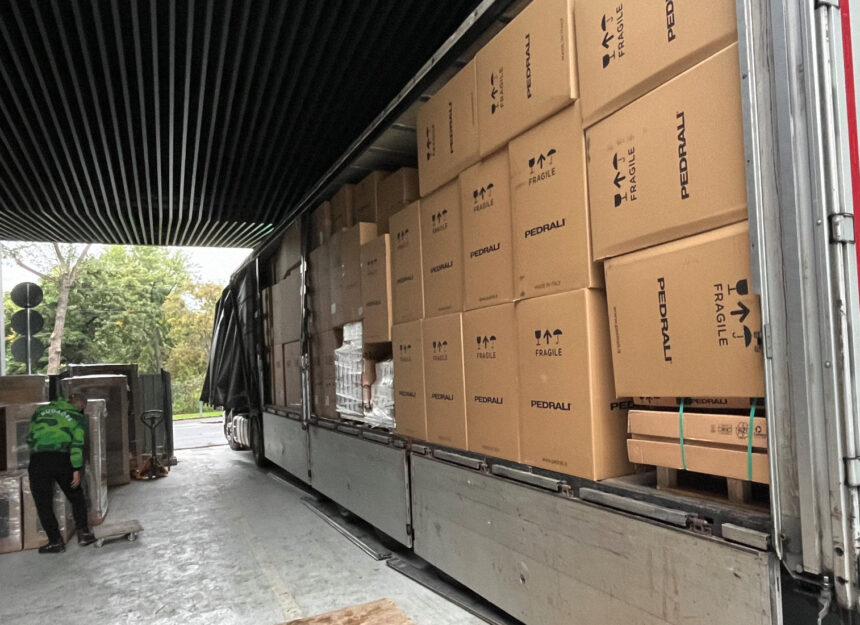
The practical challenge of FF&E goes far beyond product selection. It means ensuring that 400 chairs — sourced alongside hundreds of other items from manufacturers in multiple countries — arrive on time, within budget, and in line with both the brand standards and the designer’s intent.
This requires a discipline distinct from both design and manufacturing. It brings specification, sourcing, coordination, logistics, and installation into one managed process, reducing the risk of discrepancies between the drawings and the finished room. Effective coordination keeps the project aligned with the approved design, budget, and opening schedule.
How FF&E procurement works, step by step
A well-managed FF&E project typically moves through six stages:
- Design review. The process begins with the designer’s drawings and specifications, including the creative intent, brand standards, and operational requirements. The FF&E partner’s role is not to redesign the space, but to translate the approved design into a deliverable package.
- Specification & sourcing. The design is translated into a buildable, budgeted FF&E package: products matched to the brief, materials and finishes confirmed, alternatives proposed where lead times or budgets demand.
- Coordination & compliance. Samples, approvals, and brand-standard checks — ensuring every item meets the required international standards before anything is ordered.
- Procurement & logistics. Purchase orders, manufacturer management, international and domestic shipping, and storage — sequenced to the site programme.
- Delivery & installation. On-site coordination between designers, manufacturers, and contractors so items arrive and are installed in the right order, without clashes.
- Snagging, quality control, and aftercare — the details that determine whether a space feels complete or still falls short of the original design.
Common FF&E pitfalls
The same issues recur across FF&E projects, and most can be reduced through earlier planning:
- Underestimated lead times. Contract furniture is often made to order, and an item specified too late can delay an entire opening.
- Residential-grade products specified for commercial use. Items selected primarily for their appearance may not withstand continuous use, making premature replacement more expensive than specifying correctly from the outset.
- Gaps in brand-standard compliance. International hospitality and workplace brands often have strict requirements; overlooking them can lead to rejected items and costly rework.
- No single point of coordination. When designers, manufacturers, and contractors each hold part of the information but no one oversees the whole process, gaps quickly become delays.
In FF&E, small specification and coordination errors can quickly lead to additional costs, delays, and rework.
FF&E across sectors
The core process remains the same, but priorities vary by sector:
- Hospitality (hotels, restaurants): brand-standard compliance, durability under heavy use, and guest experience come first.
- Office: workplace performance, acoustics, and flexibility to support different ways of working.
- Premium residential: a greater proportion of bespoke pieces and a stronger emphasis on design detailing and a fully resolved final interior.
Key takeaways
- FF&E covers the furniture, removable fixtures, and equipment that make a completed building shell functional.
- It’s distinct from OS&E (operating supplies) and from the base build — and confusing them costs money.
- The real value lies not in product selection alone, but in managing specification, sourcing, logistics, and installation to the required standard and schedule.
- Most FF&E failures stem from underestimated lead times, inappropriate product specifications, and gaps in coordination — risks that can be reduced through early planning and clear project ownership.
Westwood connects design vision with delivery by coordinating the FF&E process from specification and sourcing through to installation and handover, helping the finished interior remain true to the approved design.
Interested in commercial interiors and FF&E? Follow Westwood on LinkedIn and Instagram for project case studies, procurement insights, specification advice, and inspiration from hotels, workplaces, and premium residential interiors.